


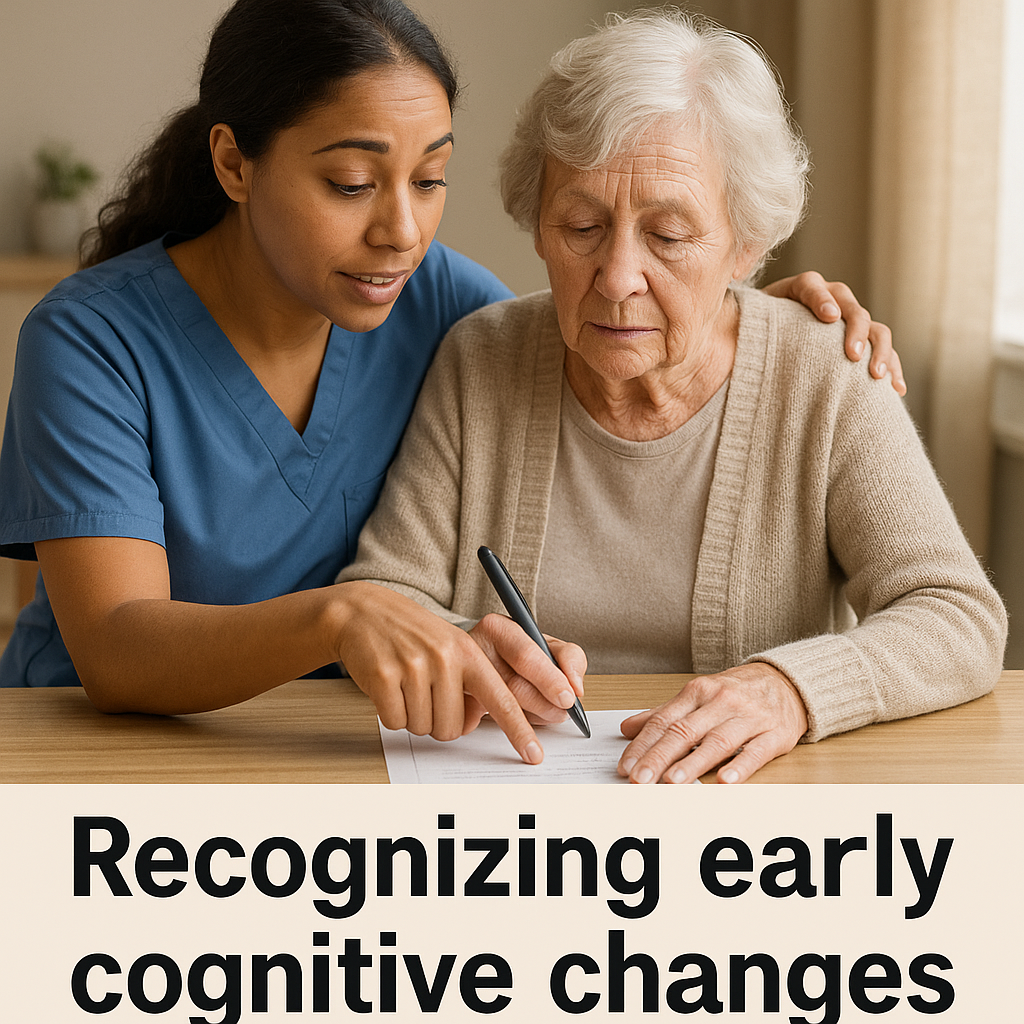
Recognizing the Subtle Differences Between Aging and Dementia
As individuals age, it is typical to experience occasional lapses in memory or slower information processing. For example, forgetting where one placed their glasses or occasionally struggling to recall a word is common and generally not cause for concern. These changes are part of the natural aging process and do not interfere significantly with daily life.
In contrast, dementia involves more pronounced cognitive changes that disrupt a person’s ability to function independently. Signs such as repeated confusion about time or place, difficulty following familiar routines, or challenges with problem-solving may suggest more than normal aging. Understanding these subtle differences is key to identifying when a medical evaluation might be warranted.
Common Early Warning Signs of Dementia to Watch For
While occasional forgetfulness is expected with age, certain patterns may signal early dementia. Repeatedly telling the same story within a short timeframe, becoming disoriented in familiar environments, or displaying poor judgment—such as making risky financial decisions—are common early indicators.
Other red flags include misplacing items and being unable to retrace steps, difficulty planning or organizing, and noticeable changes in mood or personality. Tracking these symptoms and noting their frequency and impact on daily life can provide valuable information for healthcare professionals.
Why Early Detection Matters for Seniors and Families
Identifying early signs of dementia offers significant benefits for both seniors and their families. Early detection allows for timely access to medical evaluation, appropriate support services, and interventions that may help slow cognitive decline.
Furthermore, early diagnosis enables families to plan for the future, ensuring that the individual’s preferences and needs are respected. Open communication and proactive planning can reduce anxiety and foster a supportive environment for all involved.
How to Approach a Loved One Showing Signs of Cognitive Decline
Discussing concerns about cognitive changes can be sensitive. It is important to approach the conversation with empathy, focusing on observed behaviors rather than assumptions. Express your observations calmly and reassure your loved one that you are concerned for their well-being.
Encourage a collaborative approach by suggesting a medical evaluation as a way to better understand the changes occurring. Emphasize that many factors can affect memory and thinking, and that a professional assessment can provide clarity and support.
Resources and Support for Navigating Dementia Care
Navigating dementia care can be challenging, but a range of resources are available to support families. Local senior care organizations, such as Senior Care of Sacramento, offer advice, referrals, and guidance tailored to individual needs.
In addition, healthcare professionals, community support groups, and educational materials can provide valuable information and emotional support. Seeking these resources early can help families make informed decisions and access the care their loved ones deserve.
Navigating dementia care is easier when you have the right partners. Senior Care of Sacramento offers the specialized advice and local expertise necessary to help your family make the best choices for your loved one’s future. Early planning and expert guidance are the keys to maintaining quality of life and safety during this transition. Schedule a call with our team today to discuss personalized care options and expert referrals.