


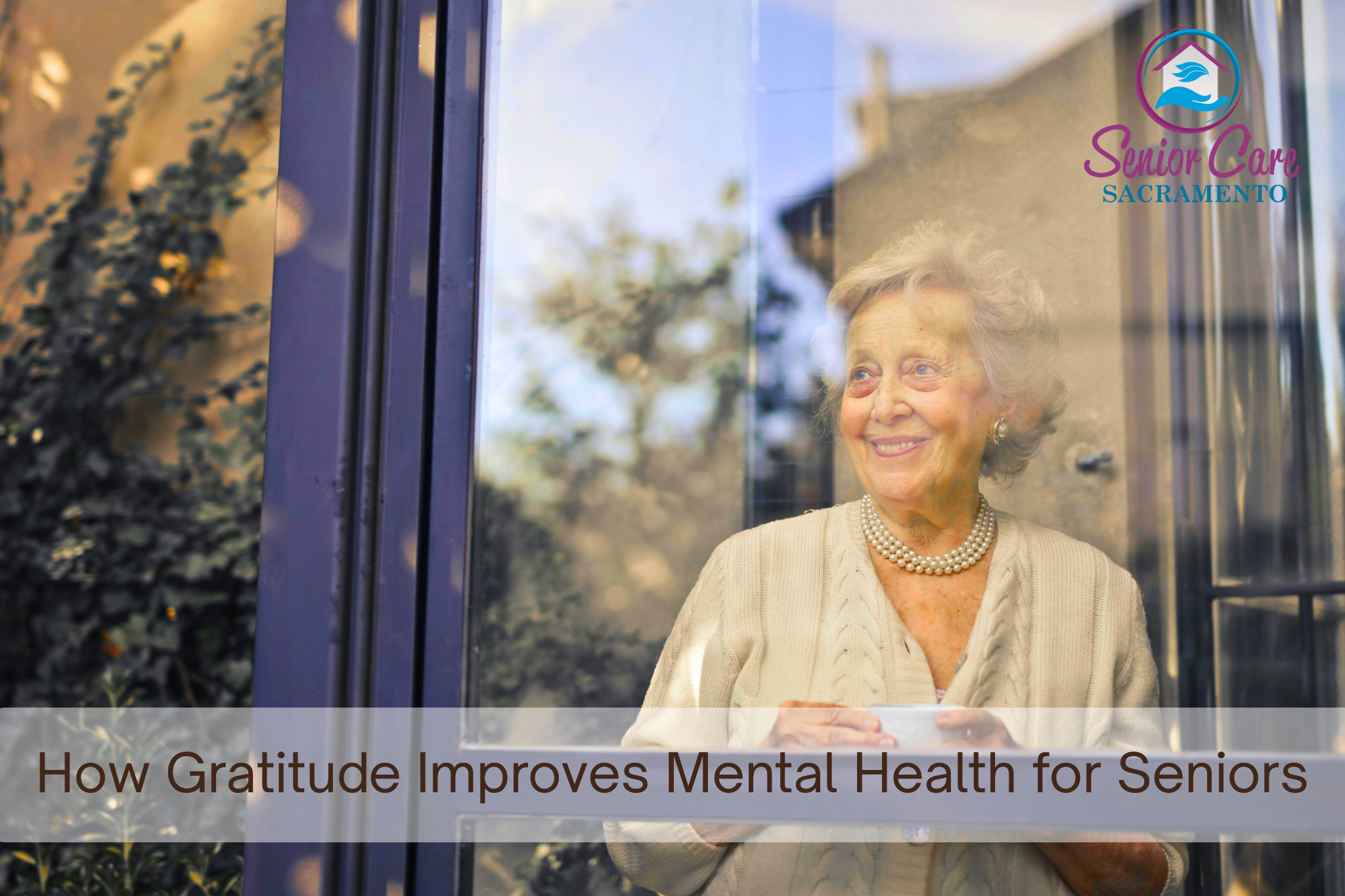
As people age, mental and emotional well-being becomes just as important as physical health. Changes in independence, routine, and social connection can affect how seniors feel on a daily basis. At Senior Care of Sacramento, we recognize that supporting a senior’s emotional health is a vital part of quality care.
One simple yet powerful way to nurture mental well-being in older adults is through gratitude. Practicing gratitude can help seniors experience greater emotional balance, positivity, and connection, even during challenging seasons of life.
The Link Between Gratitude and Senior Mental Health
Gratitude is the practice of recognizing and appreciating what is meaningful in one’s life. For seniors, this mindset can provide emotional grounding and comfort during times of change.
Studies show that gratitude can help seniors:
- Reduce feelings of sadness and depression
- Lower stress and anxiety
- Improve sleep quality
- Strengthen emotional resilience
By focusing on positive moments, relationships, and experiences, seniors can shift attention away from loss and toward a sense of fulfillment.
Why Gratitude Is Especially Important in Later Life
Aging often brings significant transitions, including:
- Reduced mobility or independence
- Changes in living arrangements
- Loss of loved ones or social roles
These experiences can impact self-esteem and emotional health. Gratitude helps seniors maintain a sense of purpose by reinforcing appreciation for meaningful relationships, life experiences, and everyday comforts.
Feeling valued and acknowledged supports dignity — a key factor in mental well-being at any age.
Ways Gratitude Can Be Encouraged in Seniors
Gratitude does not require major lifestyle changes. Simple, consistent practices can help seniors develop a more positive emotional outlook.
1. Reflecting on Life Experiences
Encouraging seniors to recall meaningful memories, achievements, and relationships can strengthen self-worth and bring comfort.
2. Establishing Gentle Daily Routines
Simple rituals such as enjoying a favorite beverage, listening to music, or sharing moments of quiet reflection can foster emotional stability.
3. Expressing Appreciation Through Connection
Positive social interactions — conversations, visits, or shared activities — help seniors feel valued and emotionally supported.
4. Creating a Calm and Supportive Environment
A peaceful setting with familiar objects, photographs, and comforting routines can help seniors remain emotionally grounded and appreciative of their surroundings.
When Emotional Health Needs Additional Support
While gratitude supports emotional well-being, it cannot replace professional care when seniors experience ongoing depression, anxiety, or cognitive decline. Emotional changes should always be taken seriously.
At Senior Care of Sacramento, we help families identify care solutions that support a senior’s mental, emotional, and physical health — ensuring dignity and quality of life at every stage.
Gratitude may seem simple, but its impact on senior mental health is meaningful. By fostering appreciation, connection, and emotional balance, seniors can experience greater peace and fulfillment in daily life. If your loved one could benefit from compassionate, supportive care that prioritizes emotional well-being, Senior Care of Sacramento is here to help, please give us a call.