


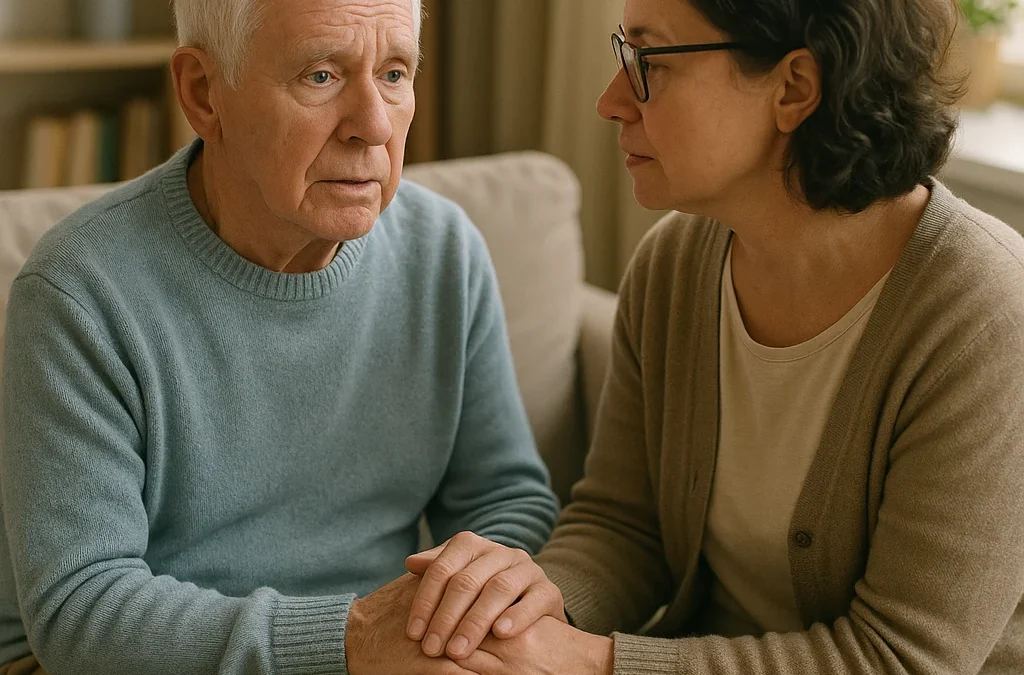
Discover essential strategies and compassionate support for spouses navigating the challenges of caring for a partner with dementia.
Understanding the Emotional Impact of Dementia on Couples
When one partner is diagnosed with dementia, the emotional landscape of the relationship shifts significantly. Spousal caregivers often experience a profound sense of loss—not only of shared memories but also of the dynamic and roles that once defined their partnership. The emotional toll can include grief, frustration, guilt, and a deep longing for connection, as communication and mutual understanding become more challenging over time.
Unlike other forms of caregiving, spouses may also face a unique identity crisis. The transition from partner to caregiver can be isolating, leading to feelings of loneliness and even resentment. It is vital to recognize that these emotions are normal and that seeking support is a sign of strength, not weakness.
Practical Strategies for Daily Care and Communication
Caring for a partner with dementia requires adapting daily routines and communication styles. Establishing structured routines can provide a sense of safety and predictability for both partners. Simple, clear instructions and using non-verbal cues can help bridge communication gaps. Patience and flexibility are essential as abilities and behaviors change.
Spousal caregivers benefit from learning specialized techniques, such as validation therapy or reminiscence therapy, which can enhance connection and reduce distress. It is also helpful to maintain activities that foster a sense of partnership and dignity, even as roles shift within the relationship.
Prioritizing Self-Care and Wellbeing for the Caregiving Spouse
The demands of caregiving can lead to physical and emotional exhaustion. Spousal caregivers are at increased risk for health decline, depression, and chronic stress. Prioritizing self-care is essential for sustaining the ability to provide effective care.
This includes scheduling regular medical check-ups, maintaining social connections, and pursuing personal interests where possible. Encouraging respite care, counseling, or participation in support groups can provide much-needed relief and emotional validation. Family members and friends play a critical role in supporting the caregiver’s wellbeing by offering practical assistance and understanding.
Building a Support Network: Resources and Professional Guidance
No spouse should face the challenges of dementia caregiving alone. Building a strong support network—consisting of family, friends, healthcare professionals, and community organizations—can significantly lighten the burden. Professional resources such as geriatric care managers, dementia care consultants, and local support groups are invaluable in providing guidance and emotional support.
Encouraging adult children and other loved ones to stay involved helps distribute responsibilities and fosters a sense of shared purpose. Tailored resources, such as caregiver education programs and counseling services specifically for spouses, are available through reputable organizations and can be accessed both in-person and online.
Planning for the Future: Legal, Financial, and Care Considerations
As dementia progresses, planning for future care becomes increasingly important. Spousal caregivers should work with professionals to address legal and financial matters, including powers of attorney, advance healthcare directives, and long-term care arrangements.
Early, open discussions with family and advisors ensure that the wishes of both partners are respected and that care transitions are managed smoothly. Proactive planning not only reduces stress but also empowers caregivers and families to make informed decisions that honor the dignity and preferences of the partner living with dementia.